OMEGA/DGM NPB-1.25 Optics Nebula Astronomy Filter
( Brand: Omega/dgm ), ( Manufacturer Part Number: NPB/1.25 ), ( Part Type: Filter ), ( Size: Inches )
Review OMEGA/DGM Npb 1.25 Optics Nebula Astronomy Filter Omega dgm
The NPB-1.25 NPB 1.25 DGM Optics Nebula Astronomy Filter by Omega-DGM is a must-have for any serious astronomer. This high-quality filter is specifically designed to enhance the view of nebulae, allowing you to see intricate details and colors that would otherwise be missed.
The NPB-1.25 filter is made with advanced optical glass, which provides excellent light transmission and reduces the amount of unwanted light, such as skyglow and city light pollution. This results in a clearer, more contrasted view of nebulae, making them appear brighter and more vibrant.
The filter measures 1.25 inches in diameter, making it compatible with most telescopes and binoculars. It also features a threaded mount, allowing for easy attachment and removal.
The NPB-1.25 filter is made by Omega-DGM, a renowned manufacturer of high-quality astronomy filters. The company is known for its commitment to excellence and its use of only the finest materials and manufacturing processes.
In summary, the NPB-1.25 NPB 1.25 DGM Optics Nebula Astronomy Filter by Omega-DGM is a versatile and powerful tool for any astronomer looking to enhance their view of nebulae. Its advanced optical glass, reduced light pollution, and easy attachment make it a great choice for both beginners and experienced astronomers alike.
Pros of buying a NPB-1.25 NPB 1.25 DGM Optics Nebula Astronomy Filter Omega-DGM:1. Enhanced Nebula and Deep-Sky Viewing: This filter is specifically designed to enhance the view of nebulae, galaxies, and other deep-sky objects. It allows more light to pass through, resulting in brighter and more detailed images.
2. Reduces Light Pollution: The filter is effective in reducing the effects of light pollution, making it easier to observe celestial objects in urban or suburban areas.
3. Durable and High-Quality: DGM Optics is known for its high-quality filters. The NPB-1.25 filter is made with optically flat glass and multi-coated to minimize reflection and increase transmission of light.
4. Broad Bandpass: The filter has a broad bandpass, which means it allows a wide range of wavelengths to pass through, making it suitable for a variety of celestial objects.
Cons of buying a NPB-1.25 NPB 1.25 DGM Optics Nebula Astronomy Filter Omega-DGM:1. Cost: High-quality filters like this one can be quite pricey. If you're on a tight budget, you might want to consider other options.
2. Requires a Compatible Telescope: This filter is designed for 1.25-inch eyepieces, so it might not be compatible with all telescopes.
3. Potential for Glare: Although the filter is multi-coated to minimize reflection, there's still a chance that glare could occur, potentially reducing image clarity.
Conclusion: If you're an avid astronomer looking to enhance your viewing experience of nebulae and deep-sky objects, the NPB-1.25 NPB 1.25 DGM Optics Nebula Astronomy Filter Omega-DGM could be a worthwhile investment. However, consider the cost and the compatibility with your telescope before making a purchase.
Recommendation: If you're unsure whether this filter is right for you, I would recommend doing some research or consulting with a knowledgeable salesperson. They can help you determine if this filter is a good fit for your specific needs and budget.
Details:
The design yields a filter with very symmetrical shape and high optical throughput, for maximum enhancement of nebula minimum loss stars in field view. High transmission at the another nice feature of npb filter is very natural coloration yielded by this uh type. 3nm hydrogen alpha emission line is a bonus for this design.
The npb narrow pass band filter is an ultra high contrast type of that very effective for small and fainter emission planetary nebula a variety bright nebula, especially through larger scopes. 25 inch diameter threaded eyepiece ring. They are also much less prone to the internal reluctance problems that plague laminated filters. Laminated filters can produce a very undesirable doubling of stellar images often with one the doubles being red.
Parts are provided in a standard 3nm h-alpha line. We typically use the USPS to keep shipping charges within reason.
The substrate is b-270 and has measured total wavefront values of. Contrary to popular belief, this image doubling is not due the red side band component that many nebula filter designs produce, but in cases laminated glass being exactly parallel protective cover plate after lamination.
The combination of first surface optical thin-film technology and a polished, flat substrate enables this filter to be used with high magnification, real plus for small planetary nebula. Many laminated filters display this annoying characteristic. The filter design stresses maximum optical throughput utilizing state-of-the-art thin-film designs and materials.
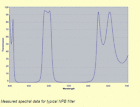
This filter averages around 1 transmission optical density of 2 through the rejection region from 540 to 590nm, and average greater than 90 in pass band, 75 at diameter Dgm optics narrow pass band nebula astronomy. Specifications this Dgm optics custom designed filter is well suited for a variety of telescopes and objects.
part #: npb125 price
- $100.00
specifications telesfil:
- brand: Omega/dgm
- mpn: Npb/1.25
- part type: Filter
- size: Inches
Shipping telesfil:
- cost: $5.0
- type: Flat
- handling: 1 days
General telesfil:
- in stock: Yes
- condition: New
- sky viewing > telescope filters
Offer telesfil:
- quantity: 5
- bids: 0
- best offer: false
- Started: March 17, 2017, 6:48 am
- Sold: 0
Payments telesfil:
- PayPal
Returns telesfil:
- type: Money Back
- policy: returns accepted
- paid by: Buyer
- time: 30 Days
Ratings:
- Excellent transaction. Thank you. 03-16-17
- Thank you! Looks great!. Good reliable seller. Highly recommended! AAA 03-17-17
- loooks OK, thanks 03-11-17
- Thank you! 03-17-17
- The item was received on time and is as described. 03-16-17
Seller telesfil:
- city: Brattleboro, Vermont
- zipcode: 05301